Make the Property Safe
We shut the water off at the meter or the nearest isolator, drain the line down and confirm the flow has stopped before anyone starts opening walls or lifting floors.
With a burst pipe, shutting off the water comes first, and calling an Alderley plumber comes after. Alderley Plumber handles burst pipes across Alderley and the suburbs around it, with a fixed quote before any work starts.
If we're late, $100 comes off your bill
Water running where it should not be cannot sit in a queue. Work through these steps in order:

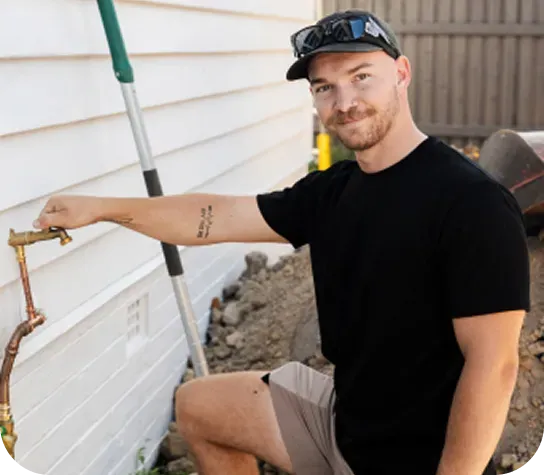
The meter box usually sits near the front boundary; turn the tap clockwise until it stops, then open a low tap to empty the pipes.
If the burst is spraying near power points, appliances or the mains board, switch the power off at the board before you step in the water.
Lift rugs, boxes and anything electrical off the wet floor while the line drains.
Tell us water is running and where; we will confirm you have shut it down and get a plumber moving.
$0 call-out fees, available 24/7, and same-day where we can.
Why pipes let go in this suburb more often than the postcode next door comes down to what is under the floor and behind the walls.
The weatherboard houses off Hall Street and Longsight Street predate copper, and plenty still carry galvanised supply runs in wall cavities and under floors. Rust thins those walls from the inside until ordinary pressure finishes the job.
Brickmakers drew on this ground from 1912 until 1987, and that same clay still swells through a humid summer and shrinks when the dry winter settles in. Rigid pipe joints absorb that movement on every season it swings.
Townhouse rows beside the station went up fast, and low-grade braided hoses behind laundries and vanities are the fittings that quietly give way inside walls shared with the neighbours.
Hard-surfaced lots above Kedron Brook send storm rain downhill quickly, and a run weakened by rust or by shifting joints is usually the first to fail once the ground soaks through.
Not every burst is the same job. Ordered from the predictable fix to the one that needs the big gear:
The braided line to a mixer, toilet or washing machine splits; budget ones go brittle within a few years. Smallest job on the list.
An old supply run rusts through in a wall cavity or under a stump-supported floor. Bigger, because the wall or floor has to come open.
Clay seasons shift an old joint until it weeps or lets go, usually near footings where the ground moves most.
Water surfaces in the lawn or bubbles up through a slab edge, and the pipe is somewhere underneath. Biggest job, and the one where tracing before digging matters.
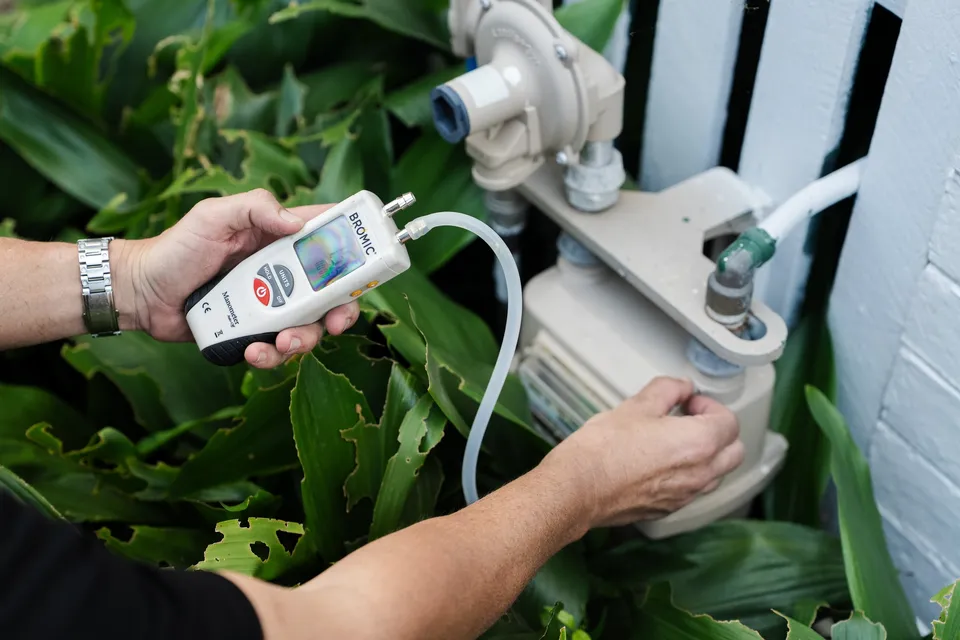
Check this short list before the plumber arrives, and stop at anything involving tools.
Open the lowest tap on the property; if it runs dry and stays dry, the meter is doing its job.
If the dials still turn with every tap shut, water is still moving somewhere it should not be.
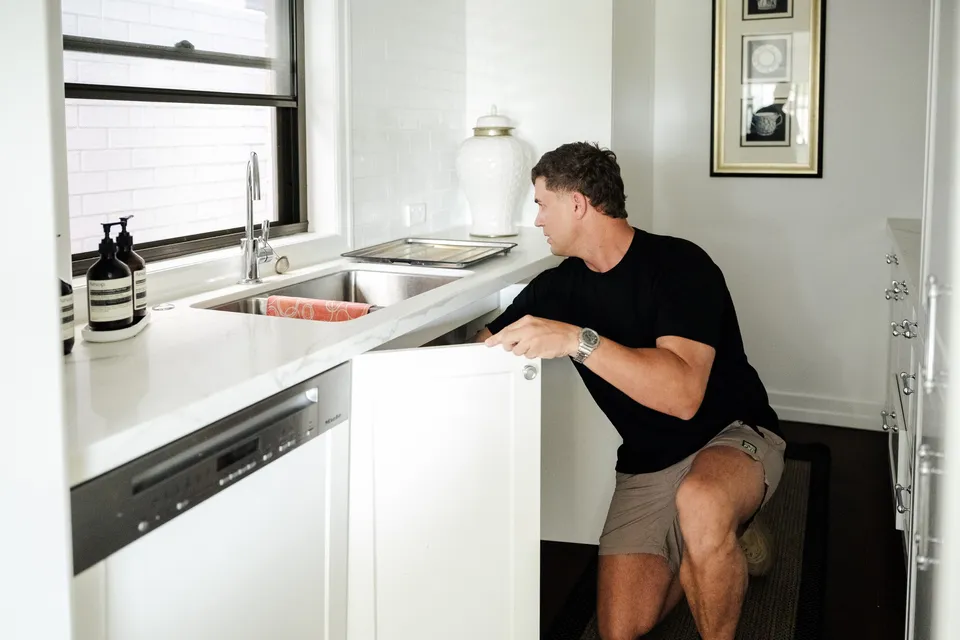
Check behind the laundry tub, the toilet and under the kitchen sink for a bulging, weeping or corroded braid.
Do not open walls, lift floors or chase water into a ceiling cavity; wet plaster and live wiring are a bad mix.
Call the moment you cannot shut the water off at a fixture, or water appears where no tap lives: (07) 3067 4274. A growing damp patch, a hiss inside a wall or a turning meter all earn the same call.
If you can hear water but cannot see it, the leak detection page explains how hidden water gets traced.
Every burst pipe job starts with stopping the water and ends with a tested line; the work in between depends on the pipe material and where it sits:
We shut the water off at the meter or the nearest isolator, drain the line down and confirm the flow has stopped before anyone starts opening walls or lifting floors.

A clean break in copper is soldered or replaced in sections, a corroded galvanised run comes out for new copper, and the fix matches the material in front of us.
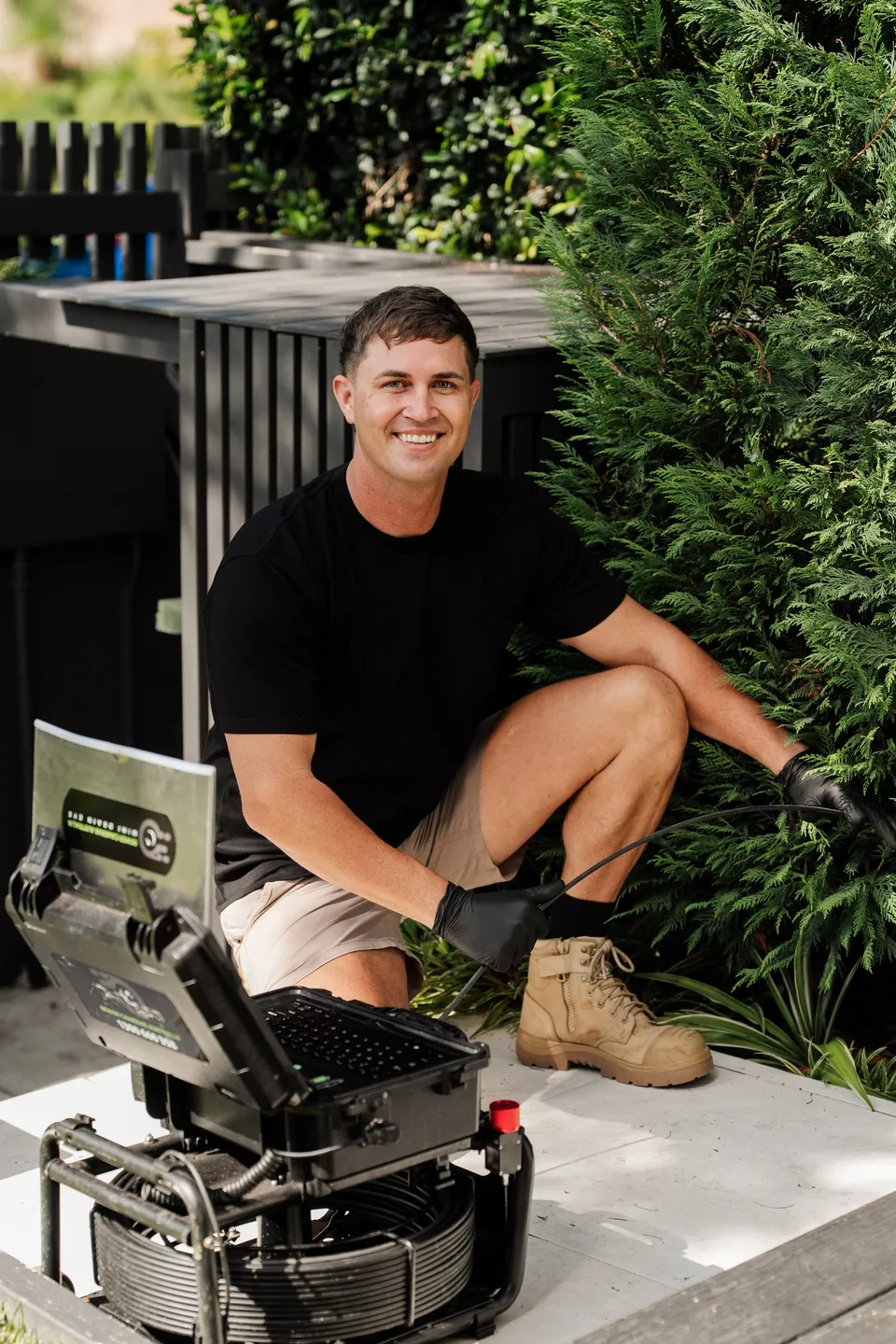
Water surfacing in the yard or under a slab gets traced from the meter first, so any digging happens at the right spot instead of wherever the ground looks wettest.
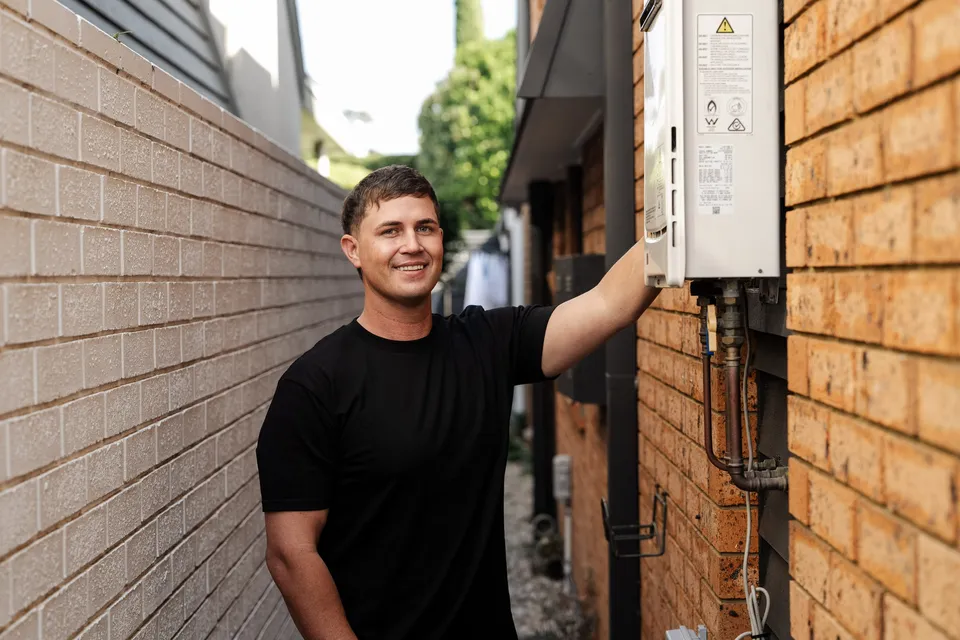
Once the new pipe section is in, we reinstate linings or paving, refill the system and check pressure at every outlet before we call the line fixed and signed off.

The same four causes turn up again and again, and each one points to a different fix:
Beneath the floors of these estate-era cottages, galvanised pipe sections remain, and internal rust eventually eats its way out, so failure arrives with no warning drop in pressure beforehand.
Braided hoses behind station-side laundries and vanities went in fast during the build, and one that perishes inside a shared wall turns a drip into a problem for several households.
The brickworks clay beneath this suburb takes on water through the humid months and loses it over winter, and that seasonal swing works rigid joints loose until a seam splits.
Storm rain runs off the slopes above Kedron Brook fast, and a run thinned by corrosion or shifted at its joints fails first when the ground saturates after a big storm.
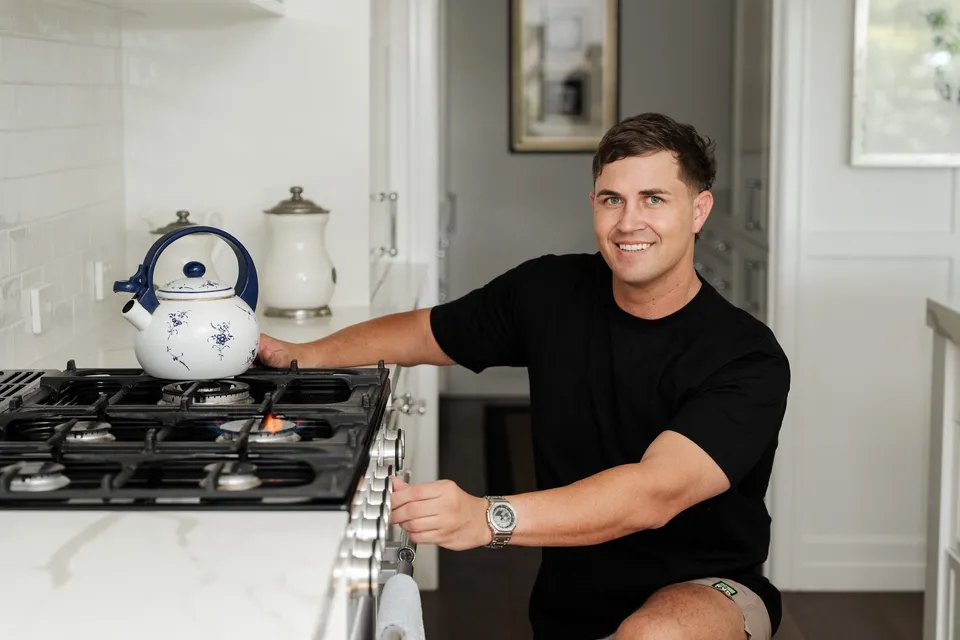
Carpet, plaster and timber floors take on water fast, and the pipe repair is often the smaller part of the bill once drying, dumping and reinstatement are counted.
Soldering a new section into a galvanised run that is rusting along its whole length buys weeks, not years. We say so when we see it, because the fixed quote should buy a fix that lasts.
In the unit blocks and townhouse rows near the station, water travels through shared walls and ceilings. A burst you can see in your laundry may already be someone else's ceiling problem, which is why these calls get treated as urgent.
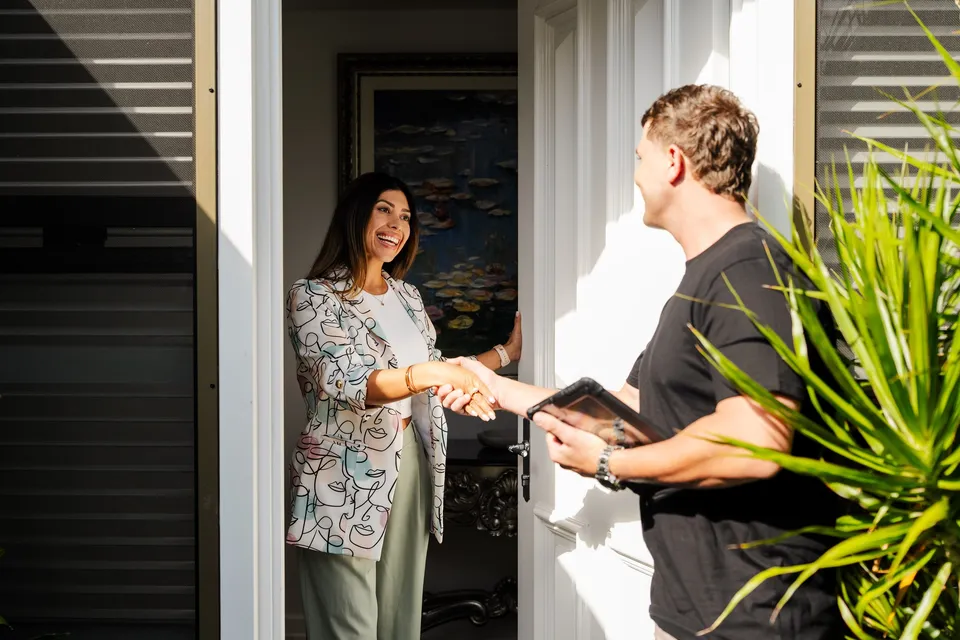
Ring (07) 3067 4274 and tell us what's happening in Alderley. A few quick questions up front means the right parts come on the first visit.
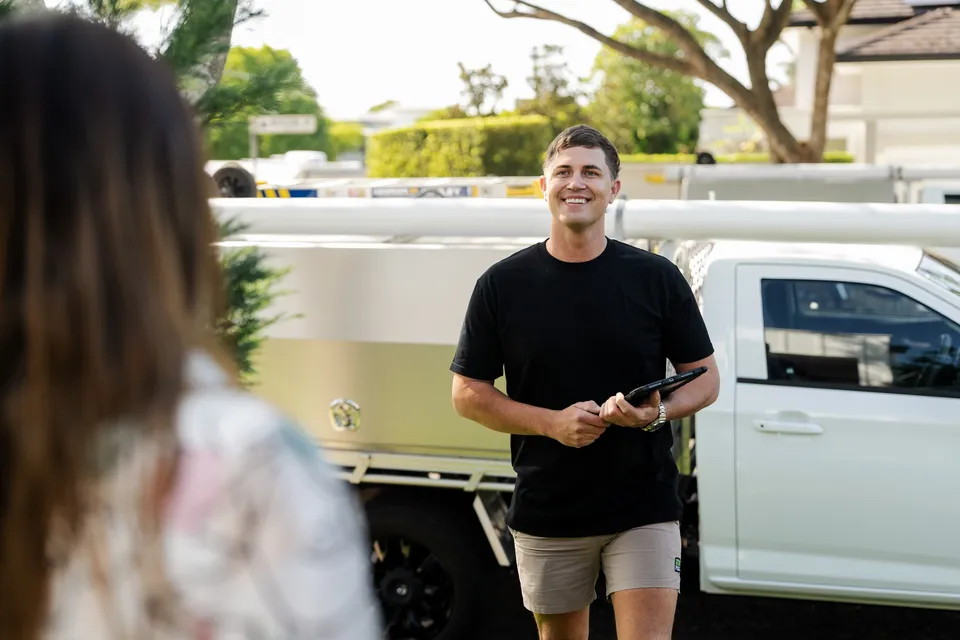
You get flat-rate pricing with no hidden fees before any work starts. Approve it and we get going.
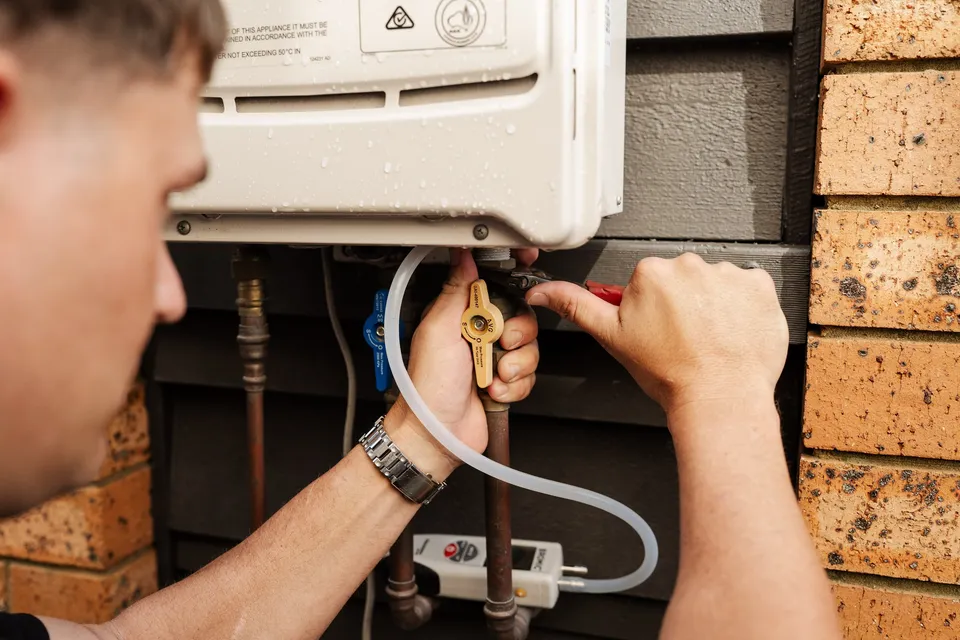
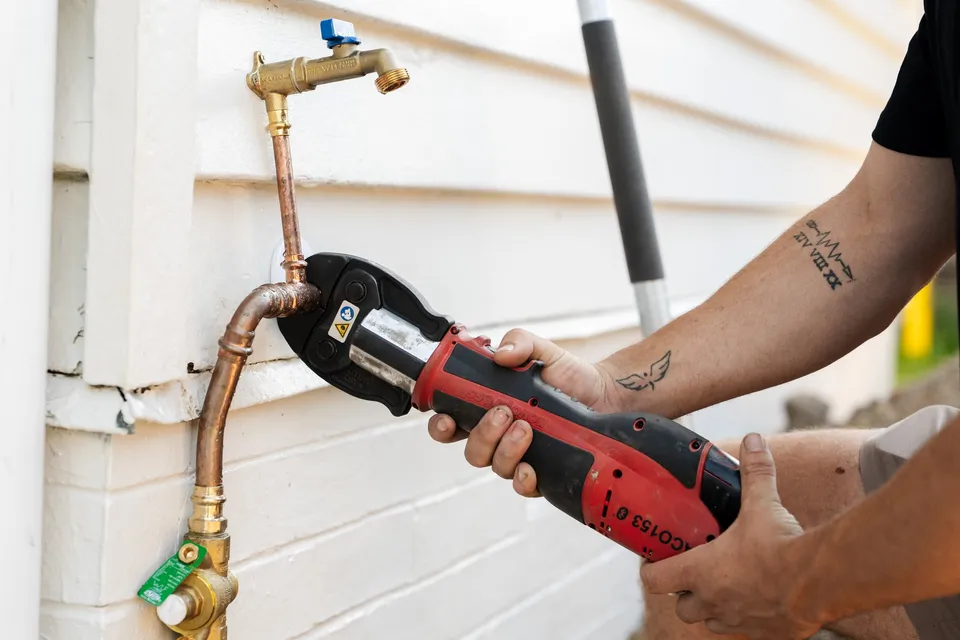
We isolate the damaged section, cut out what cannot be saved and fit the new pipe, then pressure test the line and confirm the meter stopped turning before the close-up.

Pay by card or EFTPOS on site when the job's done, or ask us about Fix now, pay later.
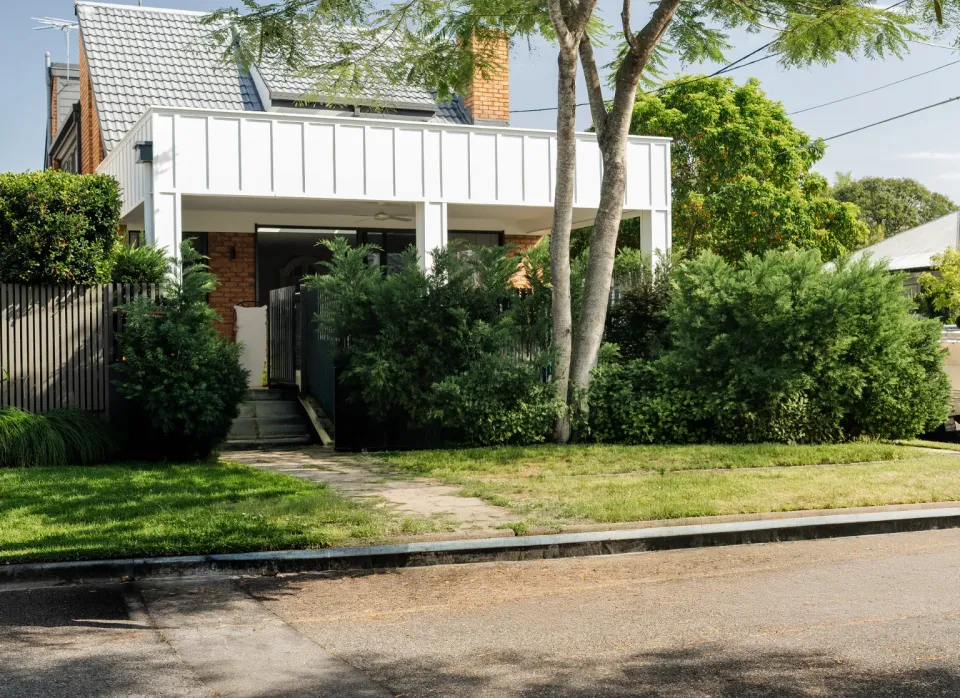
Whatever the pipe material, the licence behind the repair is the same, and the price is settled before work starts.
There are no call-out fees for Alderley jobs, and no added charge for nights, weekends or public holidays.
Every repair sits under our Fix-It-or-It's-Free guarantee (T&Cs apply). If we're late, $100 comes off your bill.
Each job is done by a licensed plumber under QBCC No: 15024607, and a lifetime labour warranty covers the labour.
Licensed and insured, locally owned and operated, with flat-rate pricing.
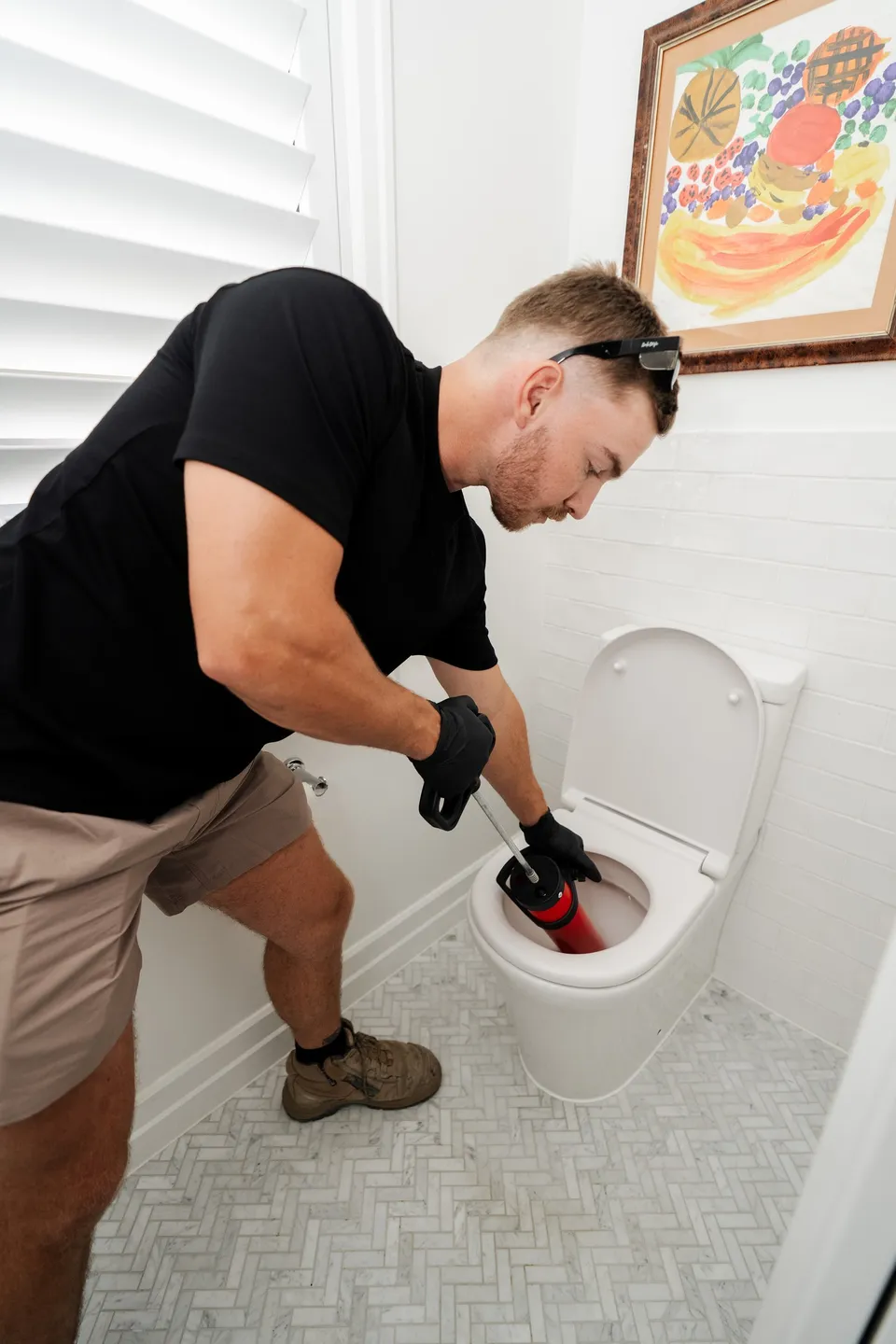
Give us a ring on (07) 3067 4274 and explain the problem. We're available 24/7, every Alderley job has zero call-out fees and flat-rate pricing, and we work under QBCC No: 15024607, with same-day when we can.
For other urgent calls, the emergency plumbing page deals with overflowing toilets, cold showers and gas leaks.
Most meters sit in a box near the front boundary, often under a plastic or concrete lid; if yours is buried or seized, we can talk you through the search on the phone.
Galvanised steel rusts from the inside out over decades, and the thinned wall eventually gives way under normal pressure, which is why we often recommend replacing the old run rather than patching it.
Urban Utilities looks after the mains in the street, but every pipe on your side of the connection belongs to you, so a burst on your property is ours to fix.
We trace hidden bursts from the meter and work along the line before any concrete or paving comes up, so any digging lands exactly where the pipe failed rather than wherever the ground looks wet.
The clay under this suburb swells and shrinks between the humid summer and dry winter, and that movement works old joints loose, so pipes near the old brickworks ground carry extra risk.
Call (07) 3067 4274 first, turn the water off at the meter if you can reach it, and we will queue your job with the next plumber available for your street.